Responsibility Begins Before Certainty. A Question for Fentanyl Prevention In prevention, we often talk about known dangers and facts we can confirm. But sometimes we hear about a possible danger befo...
My relationship with the issue of drugs did not begin with professional analysis. It began much earlier. While I was still in high school, I first heard about marijuana and heroin. Cocaine was also kn...
As a Contributor at APALD (Association of People against Lethal Drugs), I believe that prevention begins with awareness and the willingness to recognize a risk before it becomes an irreversible conseq...
The Problem with Looking Back One of the greatest challenges in prevention is hindsight. After an event has occurred, it is natural to look back and search for the moment when everything should have b...
Recognize the risk. Protect those you care about. Get informed. Know the real facts, not the myths. Talk early. A non-judgmental conversation can be the first step toward help. Prevention begins with ...
An Authorial Criminological and Preventive Perspective on Recognizing Risk before Harm Occurs When Risk Becomes Visible There is an uncomfortable truth about prevention: risk is often easiest to recog...
"One pill can kill. Don't risk your life. Drugs don't take away health alone. They can take away dreams, opportunities, and futures. Safer streets. Protected generations."
When someone dies from a drug-related cause, families often face grief layered with shock, unanswered questions, and public misunderstanding. What tends to help Use the person's name. Avoid reduci...
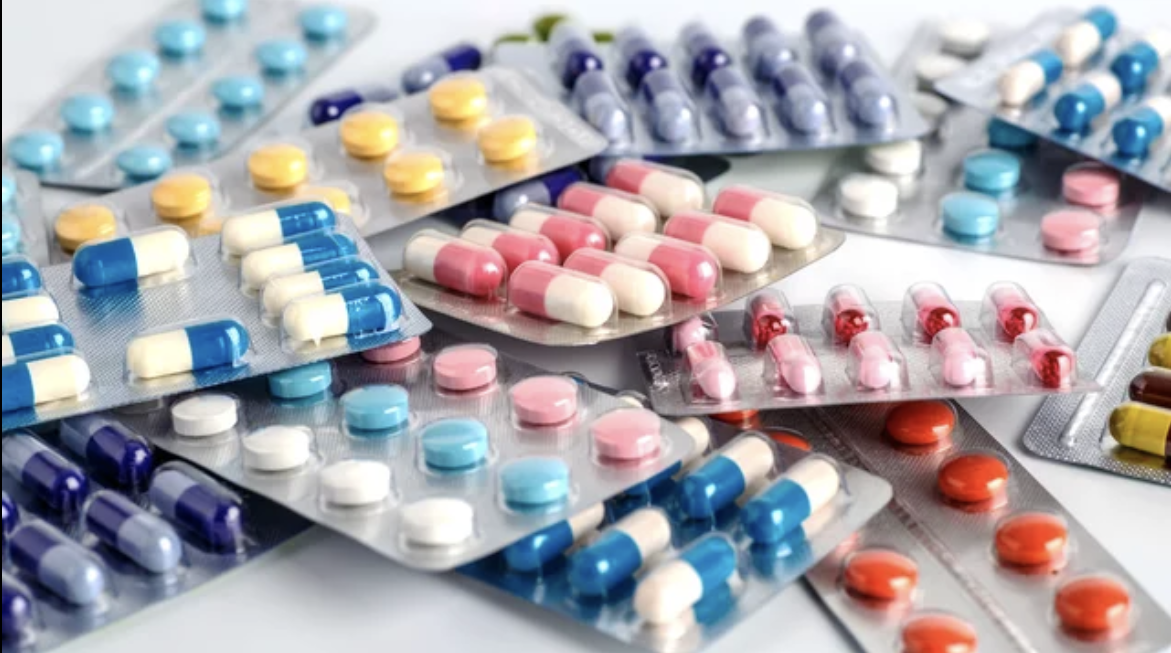
One of the most dangerous features of the current synthetic drug supply is disguise. Tablets may be stamped to resemble prescription medications. Powders may be mixed into other substances. Buyers and...